Fiji has two seasons, and they make for genuinely different holidays. If you are booking between May and October, you have picked the dry season — and there are good reasons it is the busiest half of the year.
What the dry season actually means
Cooler air, lower humidity and far more settled weather. Trade winds keep the evenings comfortable, and rain tends to arrive as brief showers rather than the long tropical downpours of the wet months.
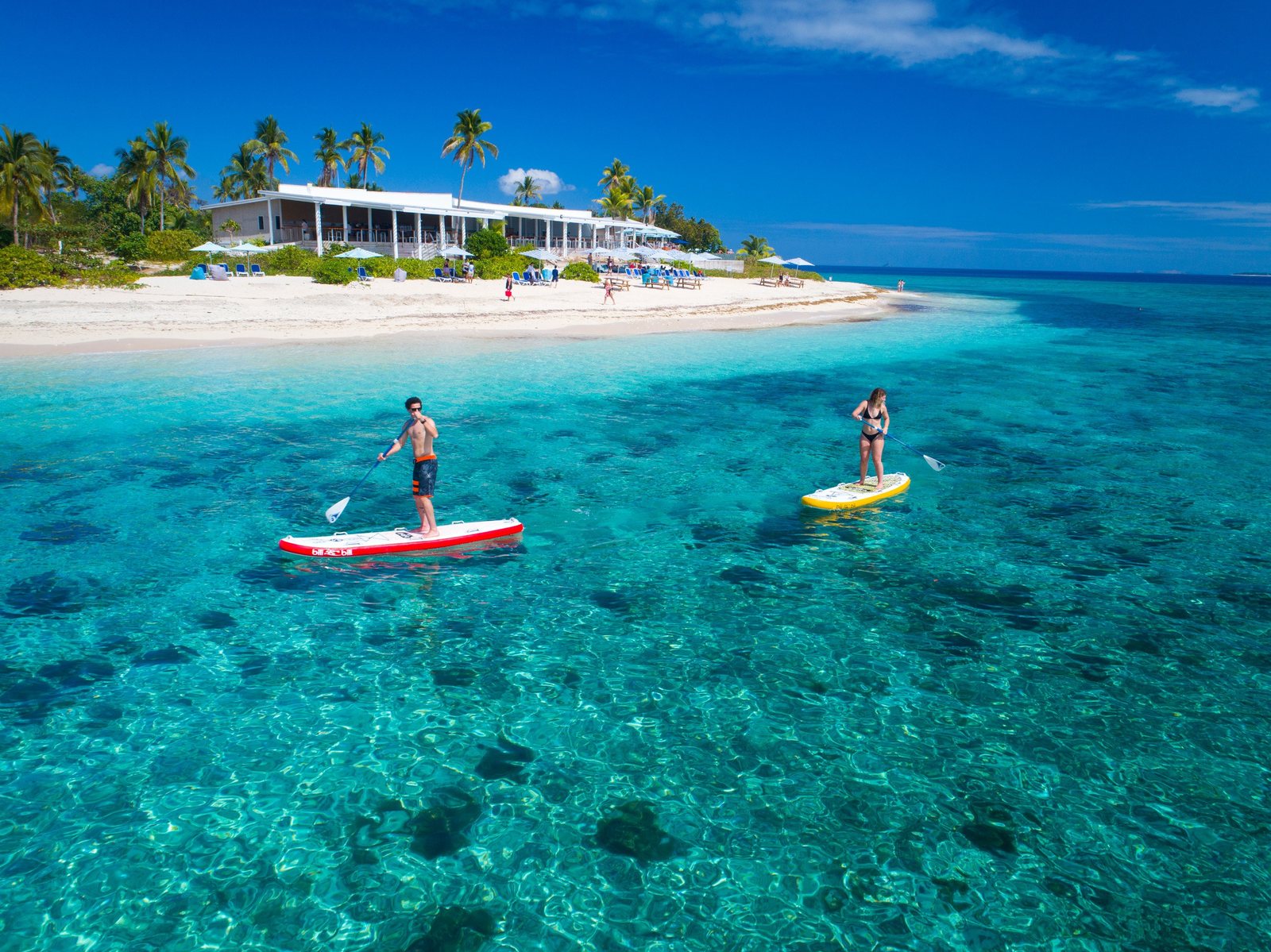
For anything on the water, that matters more than the temperature. Calmer seas mean fewer cancelled boat departures, and less runoff from the rivers means better underwater visibility on the reef. If snorkelling or diving is the reason you are coming, this is when Fiji shows off.
What it means for booking
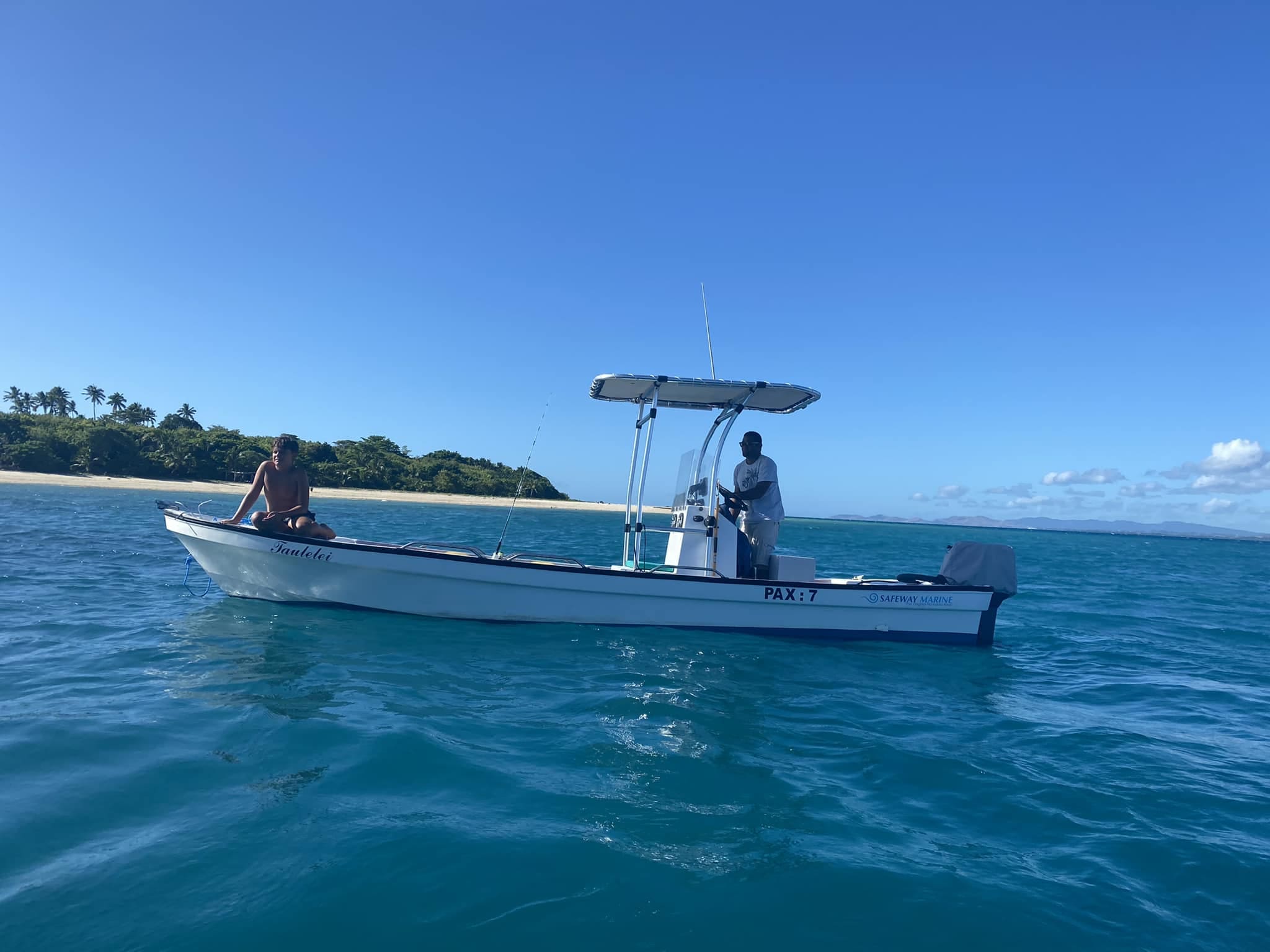
Peak season brings peak demand, particularly through the Australian and New Zealand school holidays. Popular day cruises and island transfers fill first, so lock those in before you arrive rather than hoping on the day.
A practical tip that costs nothing: schedule your boat-based trips early in your stay. If the weather does turn, you still have days left to reschedule instead of losing the experience entirely.
Where to point yourself
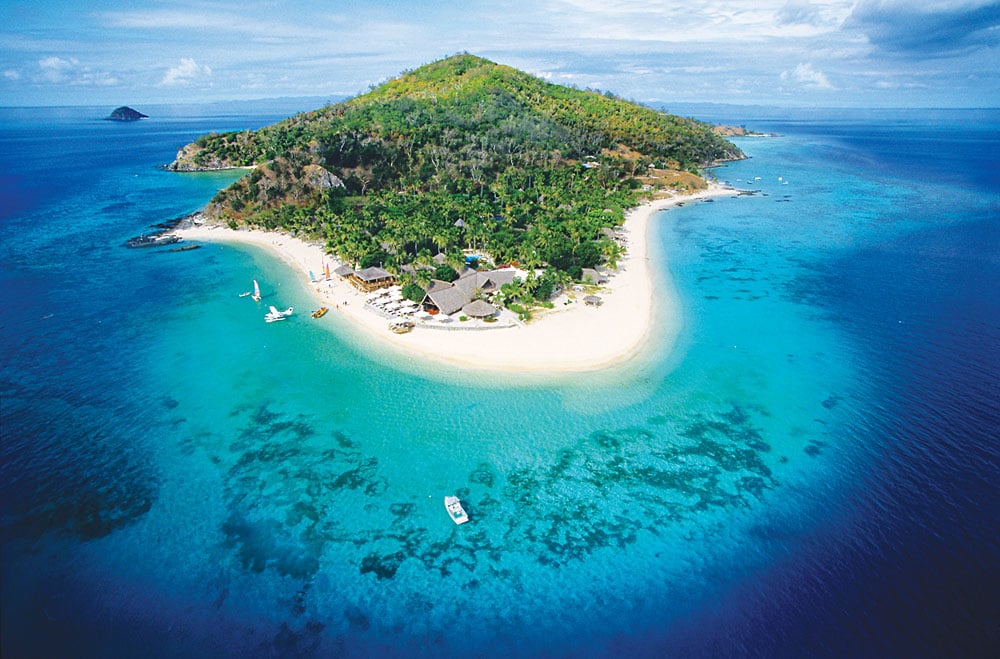
- The Mamanucas — closest to Denarau and easily done as a day trip. The Mana Island day cruise is the classic.
- The Coral Coast — reachable by road, ideal if you would rather hire a car and explore at your own pace.
- The Yasawas — further north and wilder. Worth the extra travel time if you have a week or more.
Coming in the wet season instead?
November to April is warmer, greener and quieter, with softer pricing. Showers are usually short. Cyclone risk sits mainly December to April, so travel insurance is worth having — and the same advice about booking water-based trips early applies double.
Not sure what suits your dates? Tap Ask FijiDude on any page and tell it when you are travelling — it will match you with what is actually bookable.